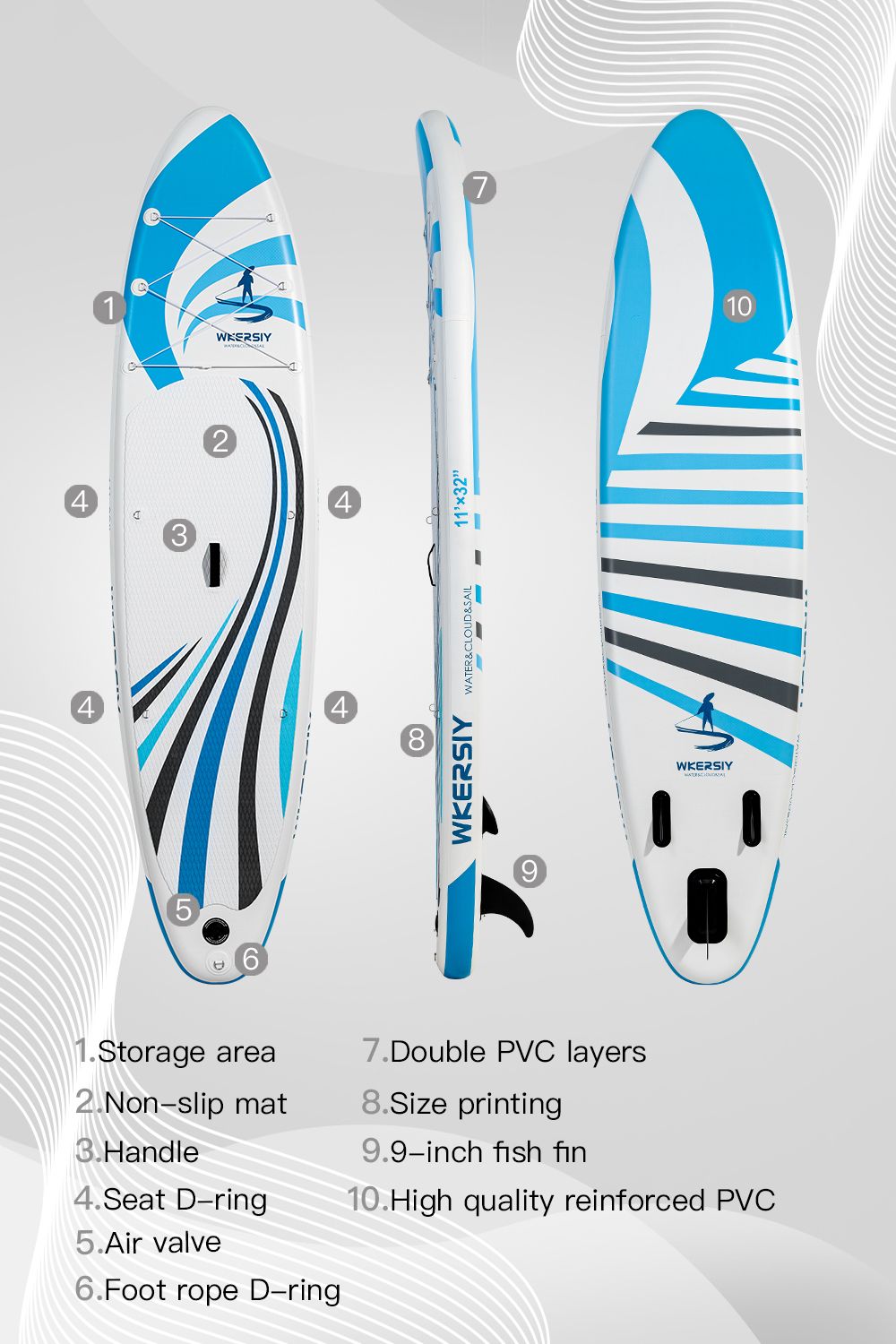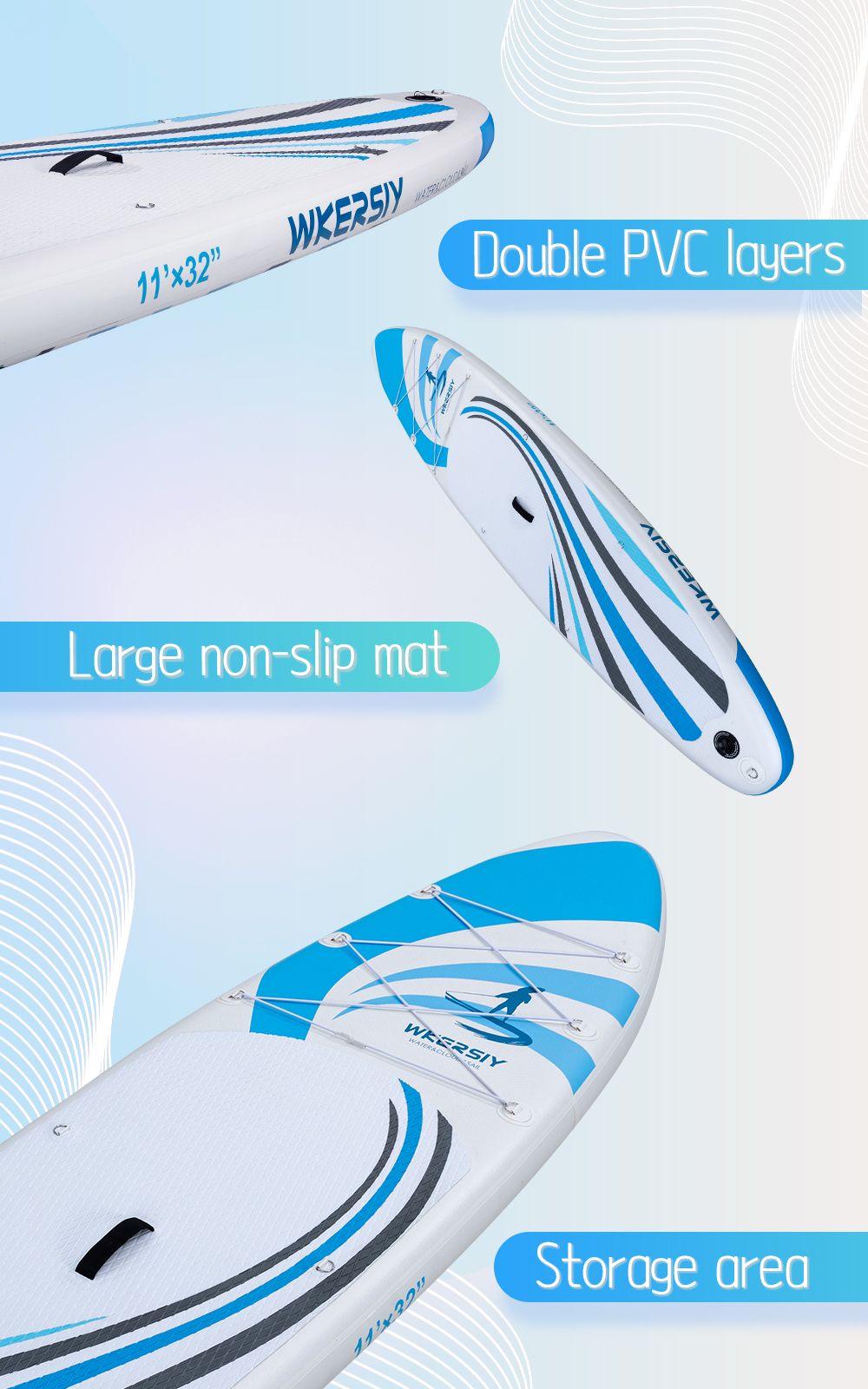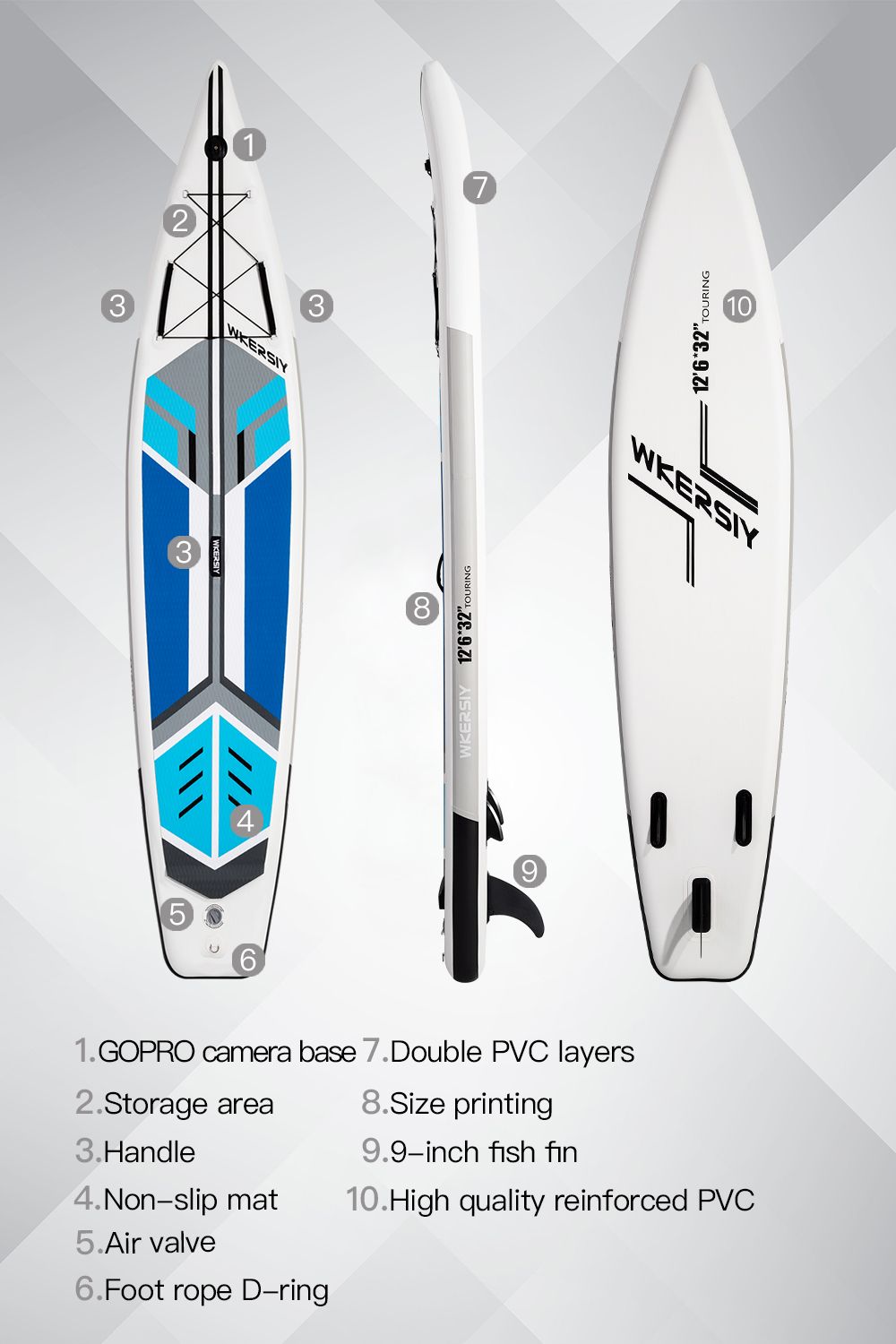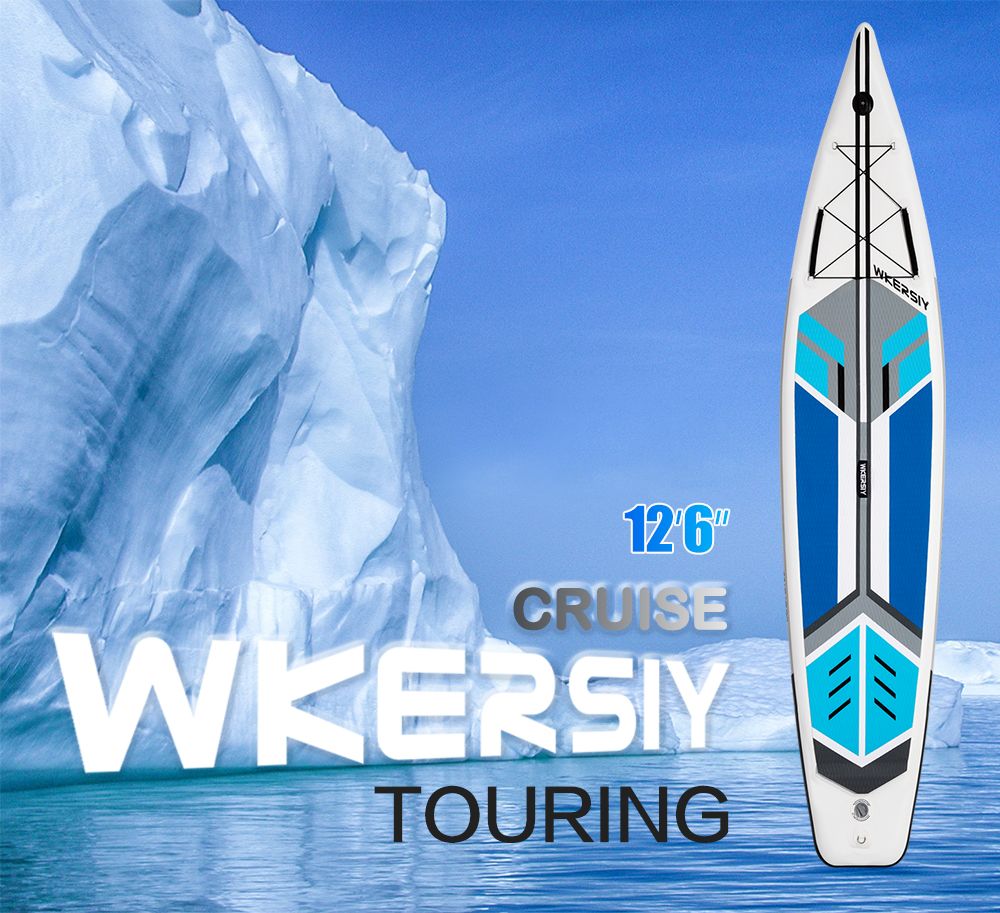
The Drag Coefficient: How Surface Tension Management Wins Races.
In the quiet, intense world of elite SUP racing, the difference between gold and silver is often invisible. While most competitors focus on the explosive power of their stroke, the true masters of the sport focus on what happens *after* the blade leaves the water. They focus on the board’s interaction with the liquid medium. We call this the "Drag Coefficient Battle." If you are losing speed, it’s not because your legs are weak—it’s because your board is fighting the surface tension of the water at every single meter of the course.
Section 1: The Invisible Wall of Surface Tension
Every paddleboard is essentially a solid object moving through a fluid. As the hull pushes forward, it must overcome two primary forms of resistance: pressure drag (form drag) and skin-friction drag. At low speeds, skin-friction is dominant; at the high speeds of an elite sprint, pressure drag—caused by the displacement of water—takes over. However, there is a third, often ignored player: Surface Tension Adhesion. If your hull finish is not engineered to handle the molecular structure of water, you are essentially "sticking" to the surface.
At RockerWave, we don't just finish our hulls with a high-gloss coat; we use a hydrophobic molecular bonding process. This reduces the contact angle of water droplets, ensuring that the water "beads" and releases from the hull rather than clinging to it. It’s the difference between dragging a wet sheet across the floor and sliding a piece of ice.
Section 2: Boundary Layer Control
The secret to winning isn't just about being "slick"; it's about controlling the boundary layer—the thin layer of water that is in direct contact with your board. A turbulent boundary layer creates massive amounts of drag. We utilize proprietary texturing in the bow-entry section to force the flow to remain laminar for as long as possible. When the flow is laminar, it travels in smooth, parallel layers, minimizing the energy loss. When it becomes turbulent, it creates chaotic swirls that rob you of your momentum.
By shaping the entry-hull geometry to manage the pressure gradient, we ensure that the water doesn't "trip" over the board. This is precision engineering applied to the reality of the race course. You aren't just paddling; you are effectively cutting through the water with the least possible resistance permitted by physics.
Dominate the water with scientific precision. See our comparative drag-reduction data at RockerWave.com.