The Art of the Sliced Line: Why Your Bow is Your Navigation
I’ve always said that if you want to know if a board is fast, don't look at the tail—look at the bow. It’s the first thing to touch the water, and it’s where the "noise" starts. If your bow is blunt and bulbous, you’re not slicing through the water; you’re crushing it. And every time you crush a water molecule, you create a bubble. That bubble-trail is the ultimate speed killer. It turns a clean race into a turbulent mess, and it makes your board wander like a lost dog.
Most boards on the market use those blunt, high-volume noses to help with buoyancy. Sure, they stay afloat, but they force the water downward into a high-pressure zone. You end up with "nose-wobble," that twitchy feeling where the board wants to yaw left and right. You find yourself taking half your strokes on the wrong side just to keep your line straight. That’s energy leakage. That’s you fighting the board instead of paddling it.
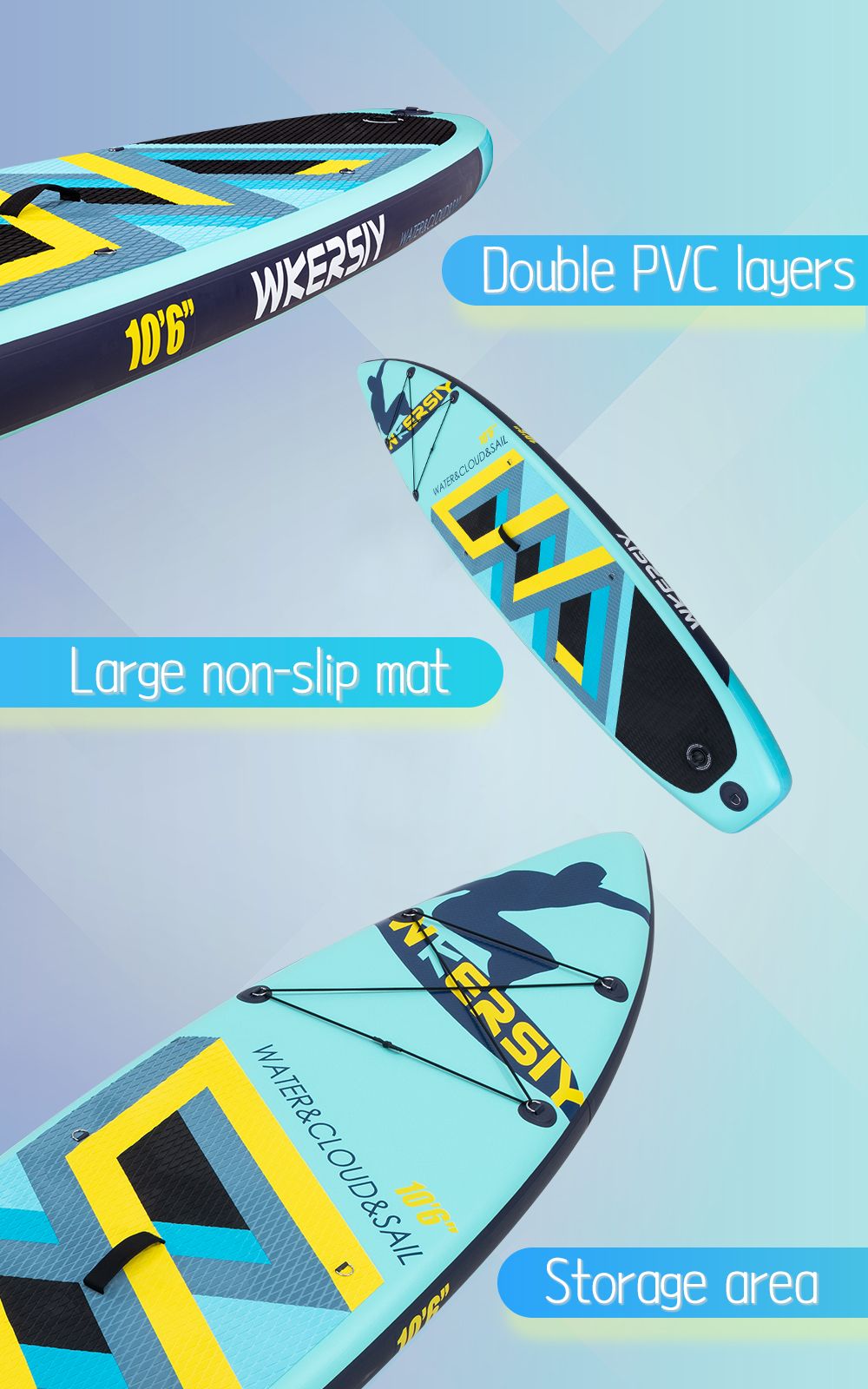
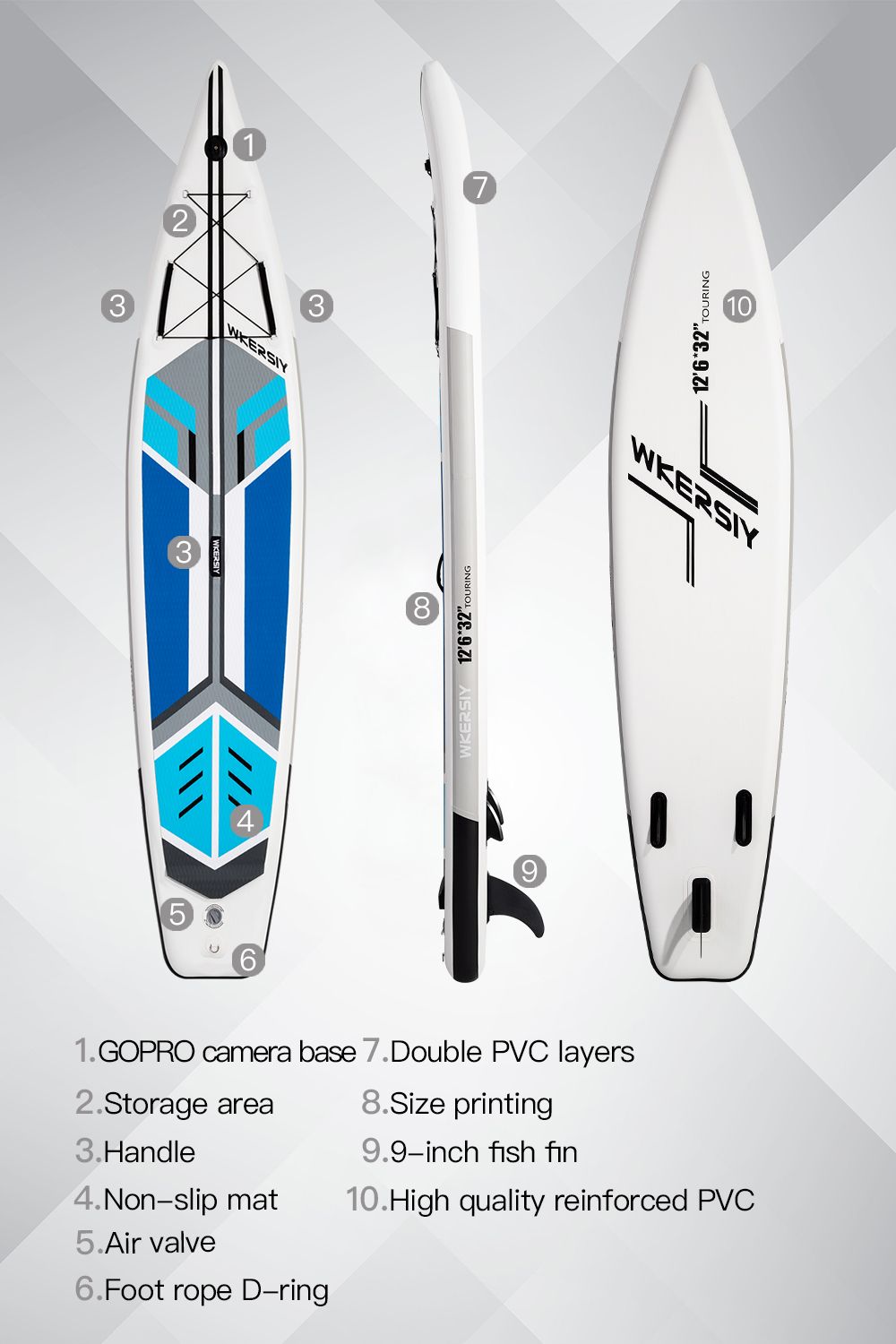
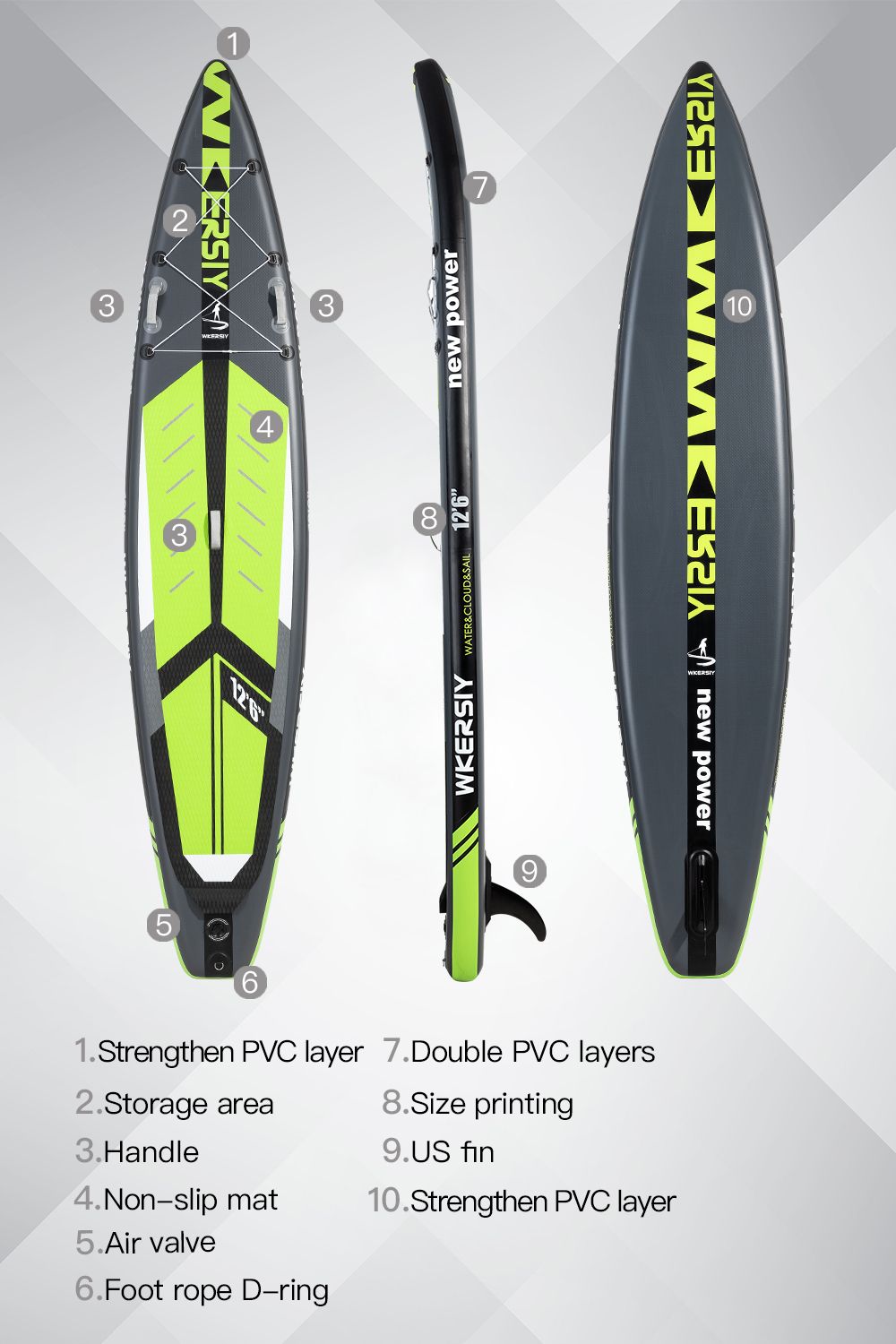
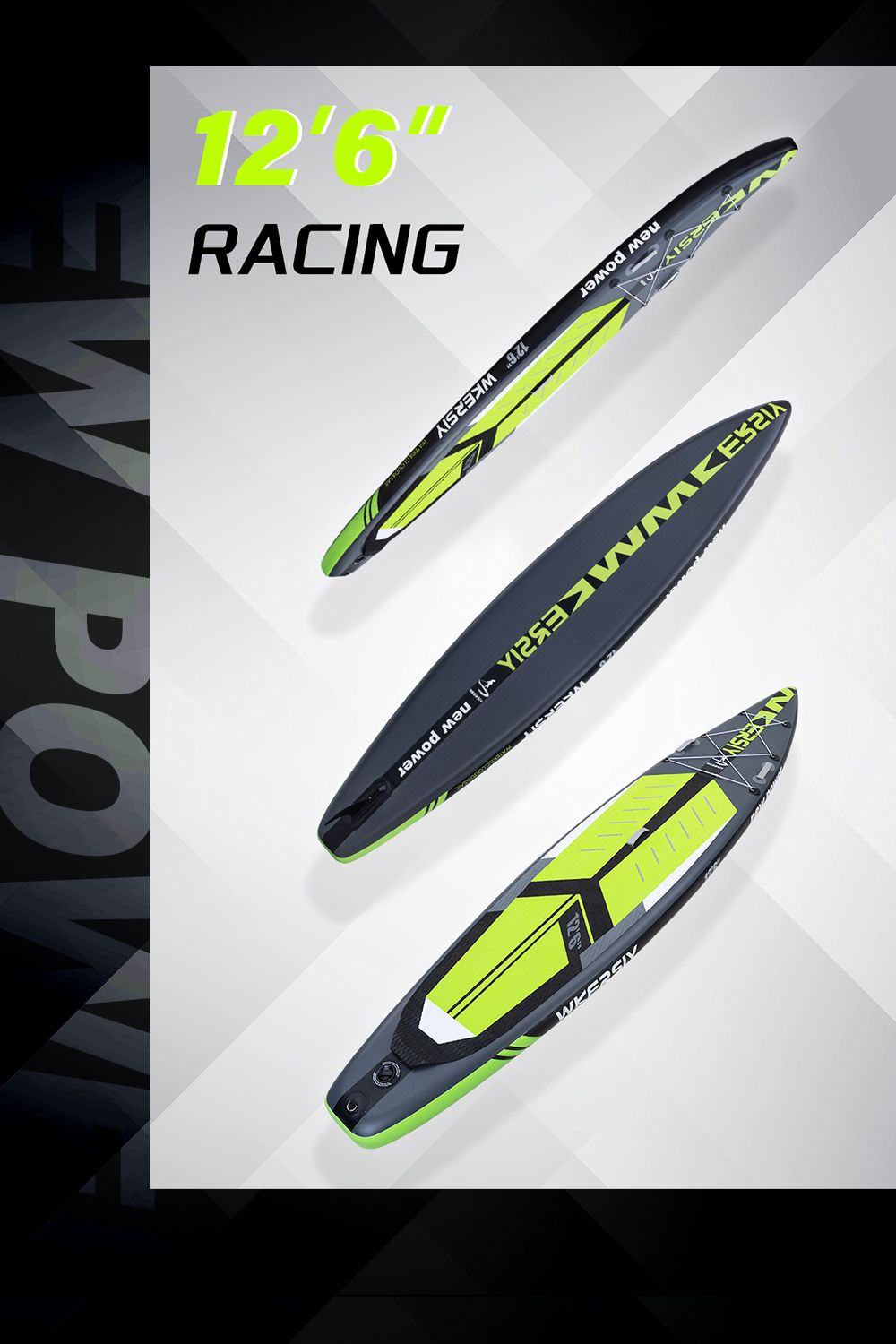
We designed our Knife-Edge Bow™ to be the exact opposite. It’s machined to be razor-thin. When it hits the water, it doesn't push; it separates. It’s all about maintaining laminar flow—that state where water layers slide over each other without breaking into bubbles. When we got the prototype to that level of precision, the first thing I noticed wasn't just speed; it was the tracking. The board felt like it was locked onto a laser line.
When you’re in a crowded pack, that tracking is everything. You don't have to worry about the board wandering; you just point and pull. You can take way more strokes per side before you have to switch, which is the secret to winning the long game. You stop thinking about the board and start thinking about the horizon. That’s the beauty of a clean entry—it turns a fight against the conditions into a straight-line sprint to the finish.