Navigating the Flux: Advanced Current Vectoring for Long-Distance Ocean Exploration
For the explorer on a RockerWave Legacy board, the ocean is a dynamic thermodynamic system. When crossing a 15-mile channel, you aren't just paddling a distance; you are navigating a moving conveyor belt of water. To succeed in high-stakes touring, one must move beyond "strength" and into the "Science of the Vector"—the mathematical alignment of board heading against tidal flux and current velocity.
1. Ferry Angling and the "Crab-Track" Maneuver
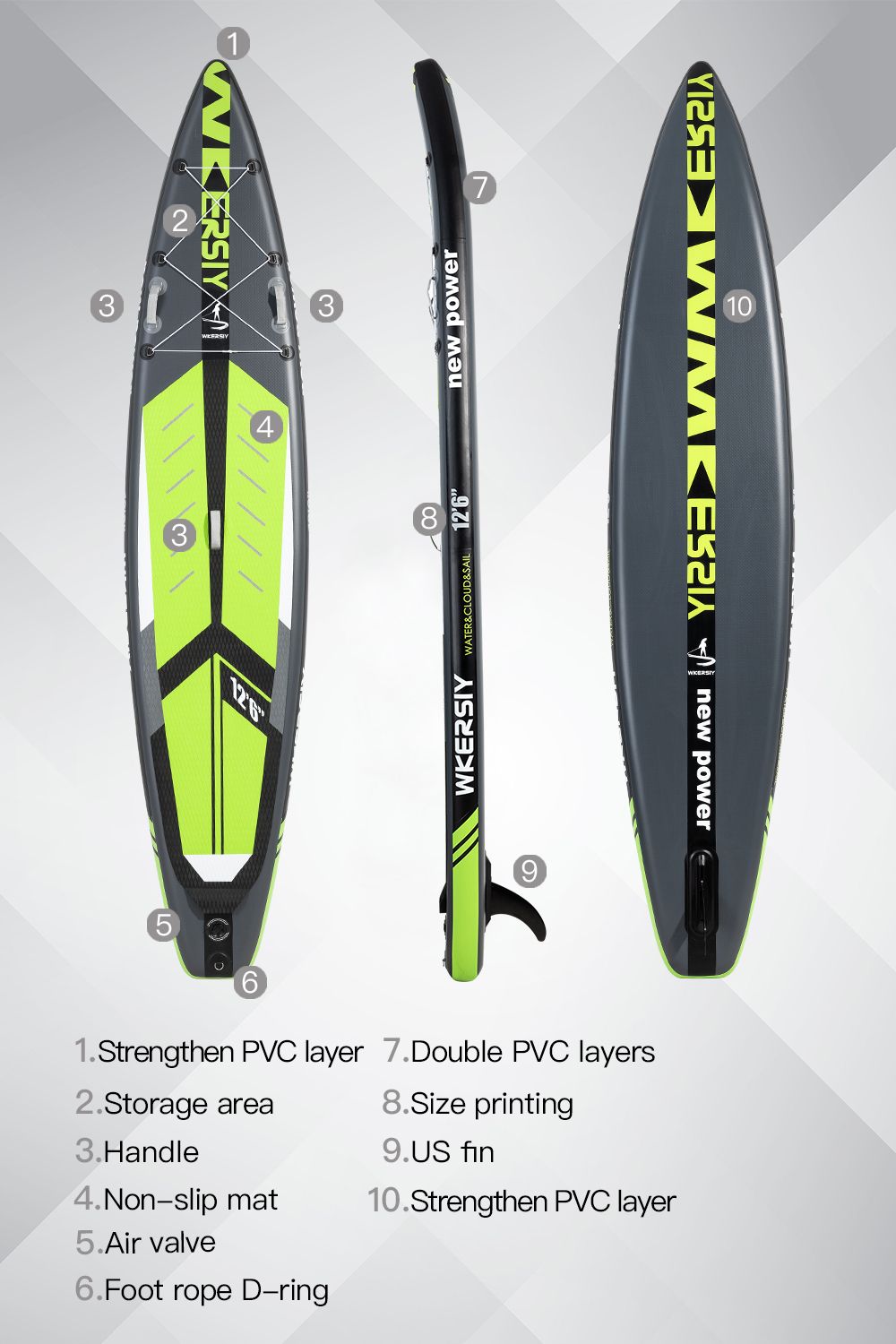
If you aim your board directly at a distant island while a 3-knot cross-current is running, you will end up miles off-course in a "curved" and inefficient path. Elite navigators use Ferry Angling. By pointing the nose of the Legacy board into the current at a calculated angle, you utilize the board's lateral resistance to maintain a straight GPS track. Our Legacy boards feature a Deep-Draft Tracking Fin-Box specifically designed to provide the "grip" necessary to hold these vectors without excessive corrective strokes.
2. The Venturi Effect at Coastal Headlands
As water is squeezed between an island and the mainland, it accelerates—this is the Venturi Effect. These zones create high-velocity "streams" that can exhaust an unprepared paddler. The Legacy’s semi-hard rail design provides "Secondary Stability," allowing the board to lean into these currents without losing its tracking edge. Understanding these micro-climates allows an explorer to "Draft the Current," finding the counter-eddies that provide a natural boost toward the destination.
3. Managing the "Wetted Surface" during Tidal Shifts
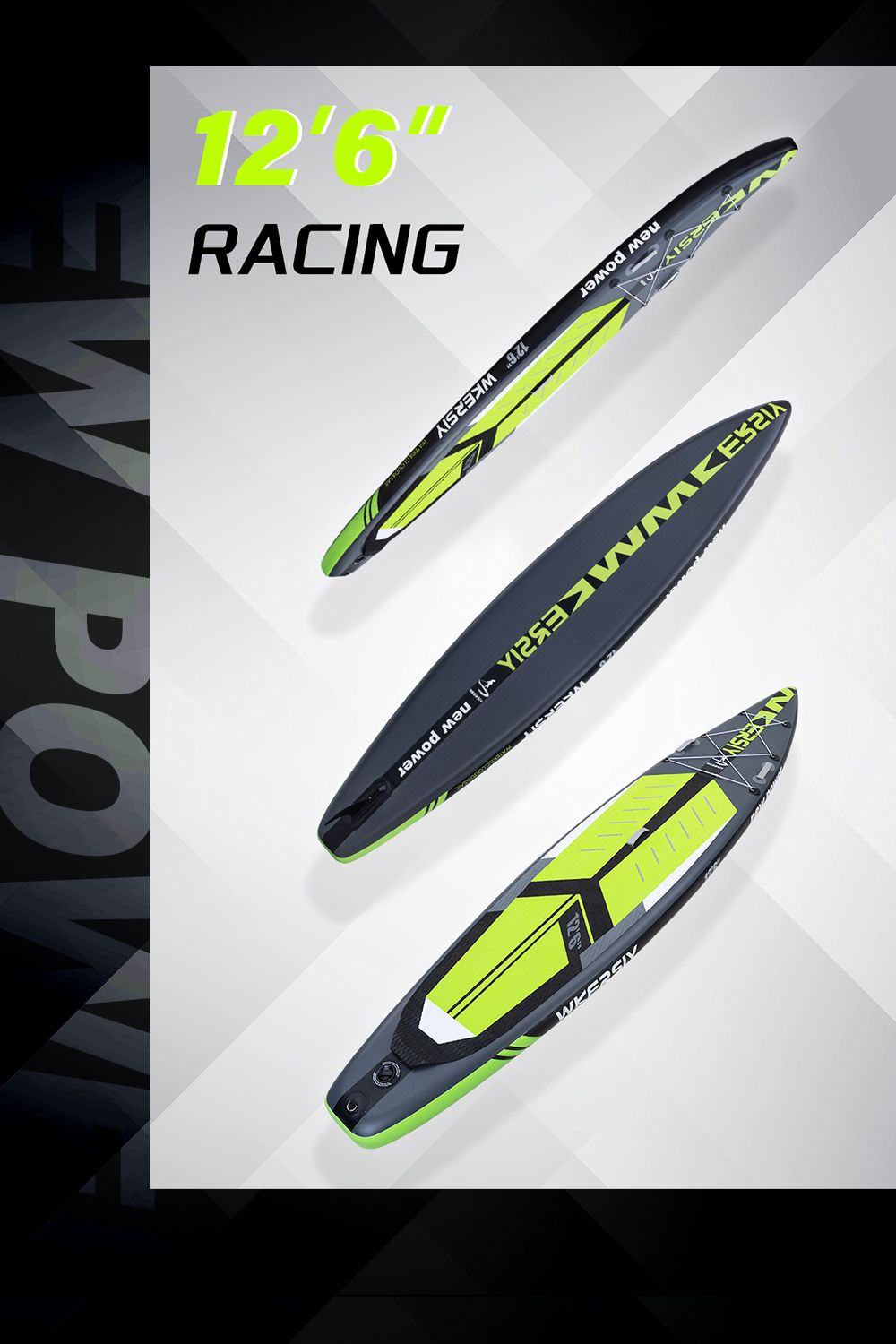
As the tide ebbs, water density and surface tension change due to silt and temperature shifts. A "heavy" board will feel sluggish. The RockerWave Legacy utilizes a High-Volume/Low-Draft Hull. This ensures that even when the tide turns "heavy," the board stays high in the water column, minimizing wetted surface area and preserving the paddler's glycogen stores for the final push to the horizon.